Wednesday, June 21, 2023

The Relationship Between Massage and Hypothyroidism: Exploring the Contraindications

Massage therapy has been used for centuries as a natural approach to promote relaxation, relieve muscular tension, and enhance overall well-being. However, when it comes to certain medical conditions, it is crucial to consider potential contraindications to ensure the safety and effectiveness of the treatment.

In this article, we delve into the topic of massage therapy and its relationship with hypothyroidism, a common endocrine disorder characterized by an underactive thyroid gland. Let's explore whether massage is contraindicated for individuals with hypothyroidism.

Understanding Hypothyroidism

Before discussing the potential contraindications, it is essential to understand the basics of hypothyroidism. Hypothyroidism occurs when the thyroid gland fails to produce adequate amounts of thyroid hormones. These hormones play a crucial role in regulating metabolism, energy production, and various bodily functions. Symptoms of hypothyroidism can include fatigue, weight gain, dry skin, muscle weakness, and depression.

Massage Therapy and Its Benefits

Massage therapy involves the manipulation of soft tissues, such as muscles and connective tissues, to promote relaxation and improve overall health. It offers numerous benefits, including stress reduction, pain relief, improved circulation, and enhanced lymphatic drainage.

Massage techniques vary, ranging from gentle and soothing strokes to deeper, more targeted techniques. However, the appropriateness of massage for individuals with hypothyroidism depends on several factors.

Contraindications to Consider

While massage therapy is generally safe, there are certain contraindications to consider for individuals with hypothyroidism. These contraindications are primarily related to the potential impact of massage on thyroid hormone levels and the thyroid gland itself.

It is crucial to consult with a healthcare professional, preferably one experienced in massage therapy, before undergoing massage treatment if you have hypothyroidism. They can provide personalized advice based on your specific condition.

Medication Considerations:

Hypothyroidism is often managed with synthetic thyroid hormone replacement medications. These medications help normalize hormone levels and alleviate symptoms. However, massage therapy may affect the absorption and effectiveness of these medications. It is essential to discuss your medication regimen with both your doctor and massage therapist to ensure proper timing and avoid potential interactions.

Pressure and Sensitivity:

Individuals with hypothyroidism may experience heightened sensitivity or tenderness in certain areas. Thyroid gland enlargement, known as goiter, can occur in some cases. Massage therapists should be aware of these potential sensitivities and tailor the treatment accordingly. Gentle, soothing techniques may be more suitable for individuals with thyroid-related concerns.

Blood Flow and Lymphatic Drainage:

Massage therapy can improve blood circulation and lymphatic drainage, which may be beneficial for individuals with hypothyroidism. However, excessive pressure or stimulation in the neck area where the thyroid gland is located should be avoided. A skilled massage therapist will be knowledgeable about these considerations and modify their techniques accordingly.

CAUTION: Now I need you to pay very close attention to this

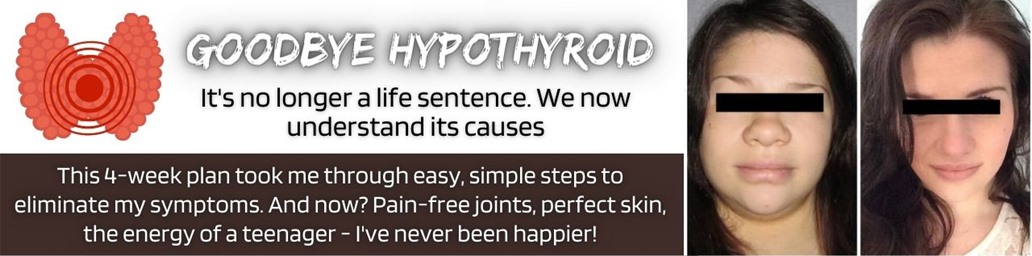
Hypothyroidism is NOT the life sentence you think it is!

Most doctors think there is no cure for hypothyroidism. They’ll say you have to take drugs to control it for the rest of your life.

But this is not true anymore. Because it turns out there’s a root cause for hypothyroidism. And now there’s a cure for that root cause — a cure that’s been enjoyed by thousands of people around the world.

No more fatigue, no more depression, no more aching limbs, skin blemishes… and no more meds or visits to the doctor.

Read about this hypothyroidism solution here — you’ll be so glad you did…

Conclusion

Massage therapy can be a valuable tool for promoting relaxation and well-being, but it is important to approach it with caution when dealing with certain medical conditions. In the case of hypothyroidism, massage therapy is not contraindicated, but there are factors to consider to ensure a safe and effective treatment.

Communication between the individual with hypothyroidism, their healthcare provider, and the massage therapist is key to tailoring the massage session to meet specific needs and ensure the best possible outcomes. By working together, individuals with hypothyroidism can still enjoy the benefits of massage therapy while taking appropriate precautions.

Friday, June 16, 2023

Enhancing Brain Function with Hypothyroidism: Strategies for Optimal Cognitive Health

Living with hypothyroidism, a condition characterized by an underactive thyroid gland, can pose various challenges, including potential impacts on brain function. The thyroid hormone plays a crucial role in regulating metabolism, growth, and development, including cognitive processes. When the thyroid gland fails to produce sufficient hormones, cognitive functions such as memory, concentration, and mental clarity may be affected.

However, with appropriate management and a holistic approach, it is possible to improve brain function even with hypothyroidism. This article explores actionable strategies and lifestyle modifications that can support optimal brain health and cognitive function for individuals living with hypothyroidism.

Medication Management and Optimal Hormone Levels

The foundation of managing hypothyroidism lies in ensuring optimal hormone levels through medication. Consult with a healthcare professional to determine the appropriate dosage of thyroid hormone replacement therapy (such as levothyroxine) based on your specific needs.

Regular monitoring of hormone levels is essential to fine-tune the dosage and maintain balance. Achieving optimal hormone levels can help alleviate symptoms like brain fog, memory lapses, and difficulty concentrating.

Nutritious Diet for Brain Health

Adopting a brain-boosting diet can provide essential nutrients that support cognitive function. Include foods rich in antioxidants, omega-3 fatty acids, vitamins, and minerals. Emphasize whole foods such as fruits, vegetables, lean proteins, whole grains, and healthy fats. Some specific recommendations include:

  • Increase iodine intake: Iodine is vital for thyroid hormone production. Incorporate iodine-rich foods like seaweed, fish, dairy products, and iodized salt into your diet.
  • Consume selenium-rich foods: Selenium aids in the conversion of thyroid hormones. Brazil nuts, seafood, eggs, and legumes are excellent sources of selenium.
  • Prioritize omega-3 fatty acids: These healthy fats found in fish, walnuts, flaxseeds, and chia seeds support brain health and reduce inflammation.
  • Stay hydrated: Dehydration can affect cognitive function. Drink an adequate amount of water throughout the day to ensure optimal brain performance.

Regular Exercise and Physical Activity

Engaging in regular exercise offers numerous benefits for brain health. It increases blood flow to the brain, stimulates the release of mood-enhancing endorphins, and promotes neuroplasticity. Aim for a combination of cardiovascular exercises, strength training, and activities that challenge your coordination and balance.

Choose activities that you enjoy, such as walking, swimming, dancing, or yoga, and aim for at least 30 minutes of moderate-intensity exercise most days of the week.

Adequate Sleep and Stress Management

Quality sleep and stress management are essential for optimal brain function. Individuals with hypothyroidism often experience sleep disturbances and increased stress levels, which can further impact cognitive performance. Establish a consistent sleep routine and aim for 7-9 hours of uninterrupted sleep each night. Create a relaxing bedtime routine, minimize screen time before bed, and ensure your sleep environment is comfortable and conducive to rest.

Stress management techniques, such as meditation, deep breathing exercises, yoga, and engaging in hobbies or activities that bring joy, can help reduce stress levels. Chronic stress can disrupt hormone balance and exacerbate cognitive symptoms, so finding effective stress management strategies is crucial.

Now Listen Very Carefully Here:

Hypothyroidism LIE — it’s not a permanent disease

Some years ago when I was originally diagnosed with hypothyroidism my doctor told me that there was no cure for the disease. He told me I would have to take drugs to control it for the rest of my life.

But given that I completely got rid of my hypothyroidism symptoms just over 18 months ago — and they haven’t come back since…

…you’ll understand that I’ve lost quite a bit of faith in my doctor!

Because it turns out there’s a root cause for hypothyroidism.

And now there’s a cure for that root cause — a cure that’s been enjoyed by thousands of people around the world.

I’m one of them.

You can be one of them too.

No more fatigue, no more depression, no more aching limbs, skin blemishes… and no more meds or visits to the doctor.

Read about this hypothyroidism solution here — you’ll be so glad you did…

Thursday, May 18, 2023

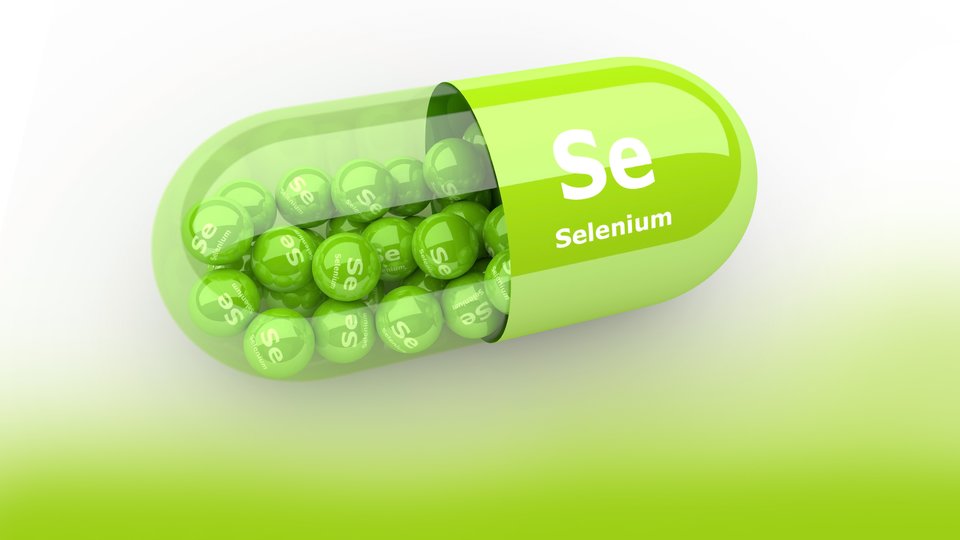
The Importance of Selenium in Hypothyroidism

Hypothyroidism is a common endocrine disorder characterized by an underactive thyroid gland, leading to a range of symptoms and complications. Among the various factors that influence thyroid health, selenium has gained attention due to its significant role in thyroid hormone synthesis and metabolism.

In this article, we will explore the importance of selenium in hypothyroidism, its mechanisms of action, dietary sources, recommended intake, and potential benefits. Understanding the relationship between selenium and hypothyroidism can provide valuable insights into optimizing thyroid function and managing the condition effectively.

Role of Selenium in Thyroid Function

Selenium is an essential trace element that plays a crucial role in thyroid function. It is a key component of several selenoproteins, including glutathione peroxidases and deiodinases, which are involved in thyroid hormone metabolism.

Glutathione peroxidases protect the thyroid gland from oxidative stress by neutralizing harmful free radicals, while deiodinases facilitate the conversion of the inactive thyroid hormone (T4) into its active form (T3). Selenium is required for the proper functioning of these enzymes, and its deficiency can impair thyroid hormone synthesis and metabolism, leading to hypothyroidism.

Scientific Evidence on Selenium and Hypothyroidism

Several studies have investigated the relationship between selenium status and hypothyroidism. Research suggests that selenium deficiency is prevalent in populations with thyroid disorders, including hypothyroidism.

A systematic review and meta-analysis published in the Journal of Clinical Endocrinology & Metabolism found that selenium supplementation in patients with autoimmune thyroiditis (an underlying cause of hypothyroidism) led to improved thyroid function and reduced thyroid peroxidase antibodies, which are markers of thyroid inflammation.

Furthermore, selenium supplementation has been shown to enhance the efficacy of levothyroxine, the standard medication for hypothyroidism. A study published in Clinical Endocrinology demonstrated that selenium supplementation improved the conversion of T4 to T3, resulting in improved clinical outcomes in hypothyroid patients treated with levothyroxine.

Dietary Sources of Selenium

Selenium is obtained through dietary sources, with varying selenium content depending on soil composition. Good dietary sources of selenium include Brazil nuts, seafood (such as tuna, sardines, and shrimp), organ meats, poultry, eggs, and dairy products. 

Plant-based sources like grains, legumes, and vegetables also contribute to selenium intake, albeit in smaller amounts. It is worth noting that selenium content in plant-based sources can be influenced by soil selenium levels and agricultural practices.

Recommended Selenium Intake

The recommended dietary intake of selenium varies depending on age, sex, and physiological status. For adults, the recommended daily intake ranges from 55 to 70 micrograms (mcg). 

Pregnant and lactating women have slightly higher requirements. It is important to note that excessive selenium intake can have adverse effects, and the upper limit of selenium intake for adults is set at 400 mcg per day. Selenium supplementation should be undertaken with caution and under the guidance of a healthcare professional to avoid exceeding the safe upper limit.

Benefits of Selenium Supplementation

Selenium supplementation in individuals with hypothyroidism has shown several potential benefits. Improved thyroid hormone synthesis, reduced thyroid antibodies, and enhanced response to levothyroxine have already been mentioned. Additionally, selenium supplementation has been associated with decreased thyroid inflammation and improved immune response in autoimmune thyroiditis.

Risks and Considerations of Selenium Supplementation

While selenium supplementation can be beneficial for individuals with hypothyroidism, it is essential to exercise caution and consider certain factors. Excessive selenium intake can lead to selenosis, a condition characterized by symptoms such as hair loss, gastrointestinal disturbances, and neurological abnormalities. 

Therefore, it is crucial to adhere to the recommended daily intake and avoid exceeding the safe upper limit of 400 mcg per day.

Additionally, selenium supplementation may not be necessary for individuals with sufficient dietary selenium intake. It is recommended to evaluate selenium status through blood tests before initiating supplementation. Consulting with a healthcare professional, such as a doctor or registered dietitian, is advisable to determine the appropriate dosage and duration of supplementation based on individual needs and medical history.

Also here is something important you don’t want to miss!

Hypothyroidism LIE — it’s not a permanent disease

Some years ago when I was originally diagnosed with hypothyroidism my doctor told me that there was no cure for the disease. He told me I would have to take drugs to control it for the rest of my life.

But given that I completely got rid of my hypothyroidism symptoms just over 18 months ago — and they haven’t come back since…

…you’ll understand that I’ve lost quite a bit of faith in my doctor!

Because it turns out there’s a root cause for hypothyroidism.

And now there’s a cure for that root cause — a cure that’s been enjoyed by thousands of people around the world.

I’m one of them. You can be one of them too.

No more fatigue, no more depression, no more aching limbs, skin blemishes… and no more meds or visits to the doctor.

Read about this hypothyroidism solution here — you’ll be so glad you did…

Conclusion

In conclusion, selenium plays a significant role in thyroid function, and its deficiency has been associated with hypothyroidism. Selenium supplementation has shown promise in improving thyroid hormone synthesis, reducing thyroid inflammation, and enhancing the response to standard hypothyroidism medication.

However, it is crucial to exercise caution and adhere to recommended intake levels to avoid potential risks. Consulting with a healthcare professional is recommended for personalized guidance on selenium supplementation in the context of hypothyroidism.

Sunday, May 14, 2023

Can Zinc Deficiency Cause Hypothyroidism? Exploring the Link Between Zinc Levels and Thyroid Function

Zinc is an essential mineral that plays an important role in many biological processes in the body, including immune function, protein synthesis, and wound healing. Additionally, it has been suggested that zinc may also play a role in the functioning of the thyroid gland.

The thyroid gland is responsible for producing and regulating hormones that play a critical role in metabolism, growth, and development. Therefore, any imbalance in zinc levels may potentially impact the functioning of the thyroid gland, leading to hypothyroidism.

Hypothyroidism is a condition in which the thyroid gland fails to produce enough thyroid hormones, which can result in a variety of symptoms, including fatigue, weight gain, constipation, dry skin, and depression. There are several potential causes of hypothyroidism, including autoimmune disorders, congenital defects, and iodine deficiency. However, there is also evidence to suggest that zinc deficiency may play a role in the development of hypothyroidism.

Research has shown that zinc is essential for the synthesis and secretion of thyroid hormones, as well as for the conversion of T4 to T3, which is the active form of the hormone. Additionally, zinc is involved in the regulation of the pituitary gland, which plays a key role in the regulation of thyroid function. In animal studies, zinc deficiency has been shown to lead to reduced levels of T3 and T4 hormones, as well as alterations in the activity of thyroid-stimulating hormone (TSH).

While animal studies have provided some evidence of a link between zinc deficiency and hypothyroidism, research in humans is more limited. However, there have been several studies that suggest that zinc deficiency may be a risk factor for the development of hypothyroidism in humans.

For example, a study published in the Journal of Clinical Endocrinology and Metabolism found that zinc deficiency was associated with decreased thyroid hormone levels and an increased risk of hypothyroidism in elderly women. Another study published in the Journal of Trace Elements in Medicine and Biology found that zinc supplementation improved thyroid hormone levels in patients with hypothyroidism.

One potential mechanism by which zinc deficiency may lead to hypothyroidism is through the regulation of the enzymes involved in thyroid hormone synthesis. Zinc is a cofactor for several enzymes involved in thyroid hormone synthesis, including thyroid peroxidase and deiodinases. Without sufficient zinc levels, these enzymes may not function properly, leading to a decrease in thyroid hormone production.

Additionally, zinc deficiency may impact the functioning of the pituitary gland, which is responsible for producing TSH. TSH plays a key role in regulating thyroid function, and any disruption in its production may impact the production of thyroid hormones. Zinc is known to be involved in the regulation of TSH secretion, and therefore, a deficiency may lead to alterations in TSH levels and subsequent hypothyroidism.

It is also important to note that zinc deficiency may not be the only factor contributing to the development of hypothyroidism. There are several other factors that can impact thyroid function, including iodine deficiency, autoimmune disorders, and certain medications. Therefore, it is important to consider all potential causes of hypothyroidism when evaluating a patient's symptoms.

In terms of treatment, zinc supplementation may be beneficial for patients with hypothyroidism who are also deficient in zinc. However, it is important to note that zinc supplementation should be used in conjunction with standard treatments for hypothyroidism, such as thyroid hormone replacement therapy.

Additionally, it is important to work with a healthcare provider to determine the appropriate dosage of zinc supplementation, as excessive zinc intake can also have negative health consequences.

CAUTION: Now I need you to pay very close attention to this

Hypothyroidism is NOT the life sentence you think it is!

Most doctors think there is no cure for hypothyroidism. They’ll say you have to take drugs to control it for the rest of your life.

But this is not true anymore. Because it turns out there’s a root cause for hypothyroidism. And now there’s a cure for that root cause — a cure that’s been enjoyed by thousands of people around the world.

No more fatigue, no more depression, no more aching limbs, skin blemishes… and no more meds or visits to the doctor.

Read about this hypothyroidism solution here — you’ll be so glad you did…

Conclusion

In conclusion, there is some evidence to suggest that zinc deficiency may contribute to the development of hypothyroidism, a condition in which the thyroid gland fails to produce enough thyroid hormones. Zinc is essential for the synthesis and secretion of thyroid hormones, as well as for the conversion of T4 to T3, the active form of the hormone.

Additionally, zinc is involved in the regulation of the pituitary gland, which plays a key role in the regulation of thyroid function. While further research is needed to fully understand the relationship between zinc deficiency and hypothyroidism in humans, zinc supplementation may be beneficial for patients with both conditions.

However, it is important to work with a healthcare provider to determine the appropriate dosage of zinc supplementation, as excessive zinc intake can have negative health consequences. Overall, understanding the role of zinc in thyroid function can provide valuable insights into the potential causes and treatments of hypothyroidism.

Tuesday, May 9, 2023

Hypothyroidism and its Link to Neurological Symptoms: What You Need to Know

Hypothyroidism is a medical condition that occurs when the thyroid gland is not producing enough thyroid hormones. These hormones are important for regulating the body's metabolism, energy levels, and growth and development. While hypothyroidism is primarily associated with symptoms such as weight gain, fatigue, and cold intolerance, it can also affect the nervous system and cause a range of neurological problems.

The thyroid hormones play an important role in the development and function of the nervous system. They are involved in the formation of myelin, the protective coating around nerves that allows for efficient nerve signaling. They also regulate the growth and development of neurons and support the synthesis of neurotransmitters, the chemical messengers that allow for communication between neurons.

When the thyroid gland is not producing enough thyroid hormones, these processes can be disrupted, leading to a range of neurological symptoms. Some of the most common neurological symptoms of hypothyroidism include:

Cognitive impairment: 

Hypothyroidism can cause cognitive impairment, including difficulty with memory, attention, and concentration. This can be due to a combination of factors, including decreased blood flow to the brain, altered neurotransmitter synthesis, and changes in the structure and function of neurons.

Depression and anxiety: 

Hypothyroidism can also increase the risk of developing depression and anxiety. This is thought to be due in part to the impact of thyroid hormones on neurotransmitter synthesis and signaling. Thyroid hormones help regulate the levels of serotonin, dopamine, and norepinephrine in the brain, all of which play important roles in mood regulation.

Neuropathy: 

Hypothyroidism can cause damage to the peripheral nerves, resulting in a condition called peripheral neuropathy. This can cause numbness, tingling, and burning sensations in the hands and feet, as well as weakness and muscle cramps.

Headaches: 

Hypothyroidism can also increase the risk of developing headaches, including migraines. The exact mechanism behind this is not fully understood, but it is thought to be related to changes in blood flow to the brain and altered neurotransmitter levels.

Movement disorders: 

Hypothyroidism can cause movement disorders such as ataxia, which is a lack of coordination and control of voluntary movements. It can also cause tremors and muscle stiffness.

Sleep disturbances: 

Hypothyroidism can also cause sleep disturbances, including insomnia and excessive daytime sleepiness. This may be due to altered levels of neurotransmitters such as serotonin and melatonin, which play important roles in regulating sleep.

Myopathy: 

Hypothyroidism can cause myopathy, which is a condition characterized by muscle weakness and wasting. This is thought to be due to decreased blood flow to the muscles, as well as changes in the structure and function of muscle fibers.

CAUTION: Now I need you to pay very close attention to this

Hypothyroidism is NOT the life sentence you think it is!

Most doctors think there is no cure for hypothyroidism. They’ll say you have to take drugs to control it for the rest of your life.

But this is not true anymore. Because it turns out there’s a root cause for hypothyroidism. And now there’s a cure for that root cause — a cure that’s been enjoyed by thousands of people around the world.

No more fatigue, no more depression, no more aching limbs, skin blemishes… and no more meds or visits to the doctor.

Read about this hypothyroidism solution here — you’ll be so glad you did…

Saturday, May 6, 2023

Exploring the Link between Hypothyroidism and Nausea/Dizziness

Hypothyroidism is a condition that occurs when the thyroid gland doesn't produce enough thyroid hormone, resulting in a range of symptoms including fatigue, weight gain, cold intolerance, and depression. While nausea and dizziness are not commonly listed among the primary symptoms of hypothyroidism, they can still occur in some cases.

The thyroid gland plays an essential role in regulating the body's metabolism, which is the process of converting food into energy. When the thyroid gland is underactive, the metabolism slows down, leading to a buildup of toxins in the body. These toxins can cause various symptoms, including nausea and dizziness.

Nausea is a common symptom of many conditions, including hypothyroidism. It is often described as a feeling of queasiness or an urge to vomit. Nausea can be caused by many factors, including the accumulation of toxins in the body, which can occur when the thyroid gland is not functioning correctly.

Dizziness is another symptom that can occur with hypothyroidism. Dizziness is a feeling of lightheadedness or unsteadiness and can be accompanied by a sense of spinning or loss of balance. Like nausea, dizziness can be caused by a range of factors, including a buildup of toxins in the body.

One of the primary causes of nausea and dizziness in hypothyroidism is a condition called myxedema. Myxedema is a severe form of hypothyroidism that can occur when the condition is left untreated for a long time. Myxedema can cause a range of symptoms, including severe fatigue, cold intolerance, weight gain, and swelling of the face and hands. Nausea and dizziness can also occur in people with myxedema.

Another possible cause of nausea and dizziness in hypothyroidism is an imbalance of electrolytes in the body. Electrolytes are minerals in the body that help regulate various bodily functions, including nerve and muscle functions. An imbalance of electrolytes can lead to symptoms such as nausea, dizziness, and fatigue.

Low blood sugar levels can also cause nausea and dizziness, and people with hypothyroidism are at an increased risk of developing low blood sugar levels. This is because the thyroid gland plays a role in regulating blood sugar levels, and when it is not functioning correctly, blood sugar levels can drop too low, causing symptoms such as nausea and dizziness.

In addition to the above factors, certain medications used to treat hypothyroidism can also cause nausea and dizziness as side effects. For example, some people may experience these symptoms when taking levothyroxine, a medication used to treat hypothyroidism.

If you are experiencing nausea and dizziness and have been diagnosed with hypothyroidism, it is essential to speak with your healthcare provider. Your healthcare provider may need to adjust your medication or recommend additional treatments to manage your symptoms.

In conclusion, while nausea and dizziness are not the most common symptoms of hypothyroidism, they can occur in some cases, particularly in people with myxedema or an imbalance of electrolytes. Low blood sugar levels and certain medications used to treat hypothyroidism can also cause these symptoms.

If you are experiencing nausea and dizziness, it is essential to speak with your healthcare provider to determine the underlying cause and receive appropriate treatment.

Now Listen Very Carefully Here:

Hypothyroidism LIE — it’s not a permanent disease

Some years ago when I was originally diagnosed with hypothyroidism my doctor told me that there was no cure for the disease. He told me I would have to take drugs to control it for the rest of my life.

But given that I completely got rid of my hypothyroidism symptoms just over 18 months ago — and they haven’t come back since…

…you’ll understand that I’ve lost quite a bit of faith in my doctor!

Because it turns out there’s a root cause for hypothyroidism.

And now there’s a cure for that root cause — a cure that’s been enjoyed by thousands of people around the world.

I’m one of them.

You can be one of them too.

No more fatigue, no more depression, no more aching limbs, skin blemishes… and no more meds or visits to the doctor.

Read about this hypothyroidism solution here — you’ll be so glad you did…

Tuesday, February 7, 2023

3 Hypothyroid Treatment Methods To Consider For Those Who Are Pregnant Or Breastfeeding

If you have hypothyroidism or Hashimoto's Thyroiditis and are pregnant and/or breastfeeding, then there's a good chance you are currently taking synthetic thyroid hormone. 

And while this type of thyroid medication can do a great job of managing the symptoms, there are other options women who are pregnant and/or breastfeeding have. The goal here is to discuss three different hypothyroid treatment methods and reveal both the benefits and disadvantages of each one.

1. Synthetic Thyroid Hormone

Benefits: As mentioned before, synthetic thyroid hormones can do a good job of managing the symptoms of hypothyroidism. For a woman who is pregnant, it will supply her with the thyroid hormone she needs for the proper development of her baby. Many women take this type of thyroid medication for years without experiencing any side effects.

Disadvantages: The disadvantage of taking synthetic thyroid hormone is that it does absolutely nothing for the actual cause of hypothyroidism. All it does is provide lifetime symptom management. 

While some people do need to take thyroid hormone for the rest of their life, many people can have their health restored back to normal through a natural treatment protocol, which will be the third option I discuss here. 

However, when pregnant it's important to take some form of thyroid hormone if you have hypothyroidism. So while natural thyroid treatment methods might be able to restore your health back to normal, you might need to wait until after you give birth before you stop taking a thyroid hormone, if this is your goal.

2. Natural Thyroid Hormone

Benefits: Some people take natural thyroid hormone instead of a synthetic brand. Many prefer to take this simply because it's not synthetic. On the other hand, some take a natural form because it does a better job of managing their symptoms when compared to synthetic thyroid hormones. 

Sometimes this difference is profound, and as a result, many people become huge advocates of natural thyroid hormone and recommend it to anyone they know with a thyroid condition.

Disadvantages: While some people respond much better when taking a natural thyroid hormone, others do better when taking the synthetic form. Either way, natural thyroid hormone doesn't cure the actual cause of the thyroid condition. All it does is manage the symptoms of hypothyroidism. 

As mentioned already, this without question is important, especially when pregnant. But this is something that will need to be taken for the rest of your life in order to manage the symptoms...unless you choose the next hypothyroid treatment method I'm about to discuss.

3. Natural Hypothyroid Treatment Methods

Benefits: More and more people with hypothyroidism are choosing natural treatment methods, and the reason for this is that these treatment methods try to get to the underlying cause of the thyroid condition. 

While some people with hypothyroidism need to take synthetic or natural thyroid hormones for the rest of their life, many people can have their health completely restored back to normal by following a natural treatment protocol. Many people who are hypothyroid due to a partial thyroidectomy or from receiving radioactive iodine can still benefit by following a natural treatment protocol.

Most endocrinologists label hypothyroidism and Hashimoto's Thyroiditis as being incurable, but the reason for this is that they don't do anything about the actual cause of the condition. So it's no surprise they tell their patients that their thyroid conditions are incurable because when treated through conventional medical treatment methods this is true. 

However, when a doctor takes their time and attempts to find the actual cause of the condition, which rarely is the malfunctioning thyroid gland itself, then it is possible to cure many hypothyroid conditions, including Hashimoto's Thyroiditis.

Disadvantages: The main disadvantage of natural hypothyroid treatment methods is that it takes time to see results. It can take a few weeks or longer before these treatment methods begin to manage the symptoms, and even longer to completely cure the condition, whenever this is possible. 

So for any woman who is pregnant and thinking about beginning a natural treatment protocol, she will need to continue taking synthetic or natural thyroid hormone at least until the natural treatment methods begin to take effect.

Plus, women who are pregnant and/or breastfeeding can't take certain herbs during a natural hypothyroid treatment protocol. This doesn't mean they can't still receive good results, but it can affect their recovery. In some cases, they will need to continue taking thyroid hormones while pregnant, and won't be able to completely restore their health until after they give birth and are finished breastfeeding.

In summary, these are the three different hypothyroid treatment methods you can choose from if pregnant and/or breastfeeding. I'm of course a huge advocate of natural hypothyroid treatment methods, but you need to be cautious when incorporating a natural treatment protocol while pregnant. 

On the other hand, following such a protocol under the guidance of a competent natural endocrine doctor and not abruptly stopping your thyroid hormone medication can help manage your symptoms while at the same time restoring your health to normal.

CAUTION: Now I need you to pay very close attention to this

Hypothyroidism is NOT the life sentence you think it is!

Most doctors think there is no cure for hypothyroidism. They’ll say you have to take drugs to control it for the rest of your life.

But this is not true anymore. Because it turns out there’s a root cause for hypothyroidism. And now there’s a cure for that root cause — a cure that’s been enjoyed by thousands of people around the world.

No more fatigue, no more depression, no more aching limbs, skin blemishes… and no more meds or visits to the doctor.

Read about this hypothyroidism solution here — you’ll be so glad you did…

Sunday, January 22, 2023

The Link Between Hypothyroidism and Pregnancy

Hypothyroidism and pregnancy have been linked with each other for the longest time now. They are two very interrelated types of conditions. More importantly, women are at increased risk of developing hypothyroidism when they are pregnant or right after when they give birth. 

Thus, pregnancy in a certain way can be almost equated to hypothyroidism because of the increase in risks it poses to the person.

Since pregnancy is already a very sensitive condition and when coupled with hypothyroidism, it can turn into something very crucial for both the mother and the baby. Women are always advised to be very careful when dealing with pregnancy. 

As much as possible, they need to go through several tests just to make sure that they are not suffering from hypothyroidism. Unnoticed hypothyroidism can lead to a lot of problems even worse as pregnancy loss. The following sections provide a more detailed look at hypothyroidism and pregnancy.

Hypothyroidism and its Effects on Pregnancy

Hypothyroidism can impact pregnancy in many different ways. These are discussed as follows:

Pregnant women suffering from a condition of hypothyroidism are at increased risk for having a miscarriage than those who don't.

Pregnant women suffering from a condition of hypothyroidism that has not been treated or noticed for a long time are at increased chances of having high blood pressure and premature delivery.

Infants whose mothers have suffered from hypothyroidism usually encounter problems when it comes to their mental development. There have been many cases where infants were not able to achieve or maximize their mental capacity because of the previous conditions of hypothyroidism associated with their mothers.

Women are also prone to getting infertile following their diagnosis of hypothyroidism.

Since hypothyroidism can bring about a range of problems both for the born child and the unborn one, doctors strongly recommend that expectant mothers get tested immediately or a couple of times to ensure that they are not suffering from hypothyroidism. 

The sooner an expectant mother gets diagnosed, the faster appropriate treatments and medications can be administered. Multiple tests are important because thyroid hormone levels are somewhat unstable so it is impossible to pinpoint the exact gravity of the condition without doing multiple tests. 

Likewise, even after treatment or all throughout the medication, it is still necessary to monitor hormone levels to make sure that they stay within ideal levels.

The number of thyroid hormones to be administered as part of the medication relies on the severity of the condition. There are individuals who may require more dosages while others only require a small amount. 

Further, dosages also need to be adjusted depending on the current hormone level of the person. This is why monitoring constantly is an important aspect of treatment for hypothyroidism in pregnancy.

Also here is something important you don’t want to miss!

Hypothyroidism LIE — it’s not a permanent disease

Some years ago when I was originally diagnosed with hypothyroidism my doctor told me that there was no cure for the disease. He told me I would have to take drugs to control it for the rest of my life.

But given that I completely got rid of my hypothyroidism symptoms just over 18 months ago — and they haven’t come back since…

…you’ll understand that I’ve lost quite a bit of faith in my doctor!

Because it turns out there’s a root cause for hypothyroidism.

And now there’s a cure for that root cause — a cure that’s been enjoyed by thousands of people around the world.

I’m one of them. You can be one of them too.

No more fatigue, no more depression, no more aching limbs, skin blemishes… and no more meds or visits to the doctor.

Read about this hypothyroidism solution here — you’ll be so glad you did…

Tuesday, January 17, 2023

27 Commonly Known and Lesser Known Hypothyroid Symptoms

When hypothyroidism begins, several things happen, usually gradually. The first is a lack of energy and ambition. You just seem to lose the desire for activities you've enjoyed in the past. You feel unusually tired and apathetic but can't figure out why. You begin to crave carbs and begin to snack regularly. 

This is your body's way of trying to stay awake. You'll try not to give in to it, and when you can't fight the cravings, you set yourself up for horrible eating habits and weight gain that are difficult to reverse. You might already be taking some thyroid supplements, but they're obviously not enough. 

Warning: if you are taking prescribed thyroid medication for an underactive thyroid, do not add kelp as it will raise your blood pressure to frightening and dangerous levels. I learned this the hard way.

I have been a hypothyroid sufferer for 30 years. I was originally diagnosed by an old-fashioned European doctor. He was a gem. Then I had to switch to a modern, young South African doctor with a large and fragile ego, who knew nothing about thyroid glands but based everything on blood tests, which he didn't really understand. 

As a person with hypothyroidism, it is hard to get any respect from the medical community. General practitioners and endocrinologists alike seem to know and care little about people suffering from hypothyroidism. 

Their "gold standard" is the TSH test, and most of them use the old standards of readings between .6 and 6 instead of the new readings of .3 and 3 that the American Association of Clinical Endocrinologists adopted in 2003. These new readings allow more people (it's mostly women, particularly those who are middle-aged and suffer from hypothyroidism) to be diagnosed and treated. 

Too bad the professionals that we trust to look after our health don't seem to know or care that the standards have changed. Endocrinologists, by and large, specializing in diabetes. This is where their primary interest seems to lie. The first endocrinologist I was referred to told me that she doubted I'd ever been hypothyroid and that my thyroid gland was habituated to being overstimulated. 

She was so wrong! Then I was referred to another endocrinologist who misdiagnosed my thyroid virus for Grave's Disease (overactive thyroid.) The medication she prescribed raised my TSH to about 22. When I stopped taking that medication, my TSH dropped to 4.7. She told me my 4.7 TSH reading was now normal. 

It clearly wasn't normal for me because I still had hypothyroid symptoms. Consider that normal or average clothing sizes could be between 6 and 14 and that you fall into this category. How many of these sizes will fit? If a size 10 fits you, why would you wear a size 14? TSH is much like that. You have to find the number that fits YOU. 

When you have been told for the nth time that your TSH is in the normal range, read these symptoms, most of which are commonly known, but some of which aren't.

1. Fatigue. This is not the same as being tired. This refers to falling asleep at work, during conversations, and as soon as you get into a vehicle. You can't stay awake. You need at least 10 hours of sleep at night, but within a couple of hours of waking up, you begin to battle to stay awake. You nod off during conversations, which you can't focus on anyway. You avoid socializing in the evening because you can't stay awake.

2. Sluggishness. You move slowly physically, but even your brain is slow. Your thought processes don't work properly.

3. Increased sensitivity to cold. Summer's not too bad, but in the winter, there is no way to get warm or stay warm. You wear extra layers and surround yourself with space heaters. It helps, but you're still cold.

4. Constipation. You drink lots of water and eat next to nothing, but your body processes everything slowly. Constipation follows.

5. Pale, dry skin. Skin color is pasty-looking, and skin is always dry, no matter what kind of lotion you use. My heels were so rough that every day they chewed through my socks even though I filed the roughness away daily and used foot balm.

6. A puffy face.

7. Hoarse voice. Your voice takes on a gravel-like quality at times.

8. Elevated cholesterol level.

9. Weight gain that makes no sense. You're too tired to eat but gain weight anyway.

10. Muscle aches, tenderness, and stiffness. Flexibility and mobility are gone. You move like a lead weight. If you crouch or kneel, you can hardly get up again, and it hurts to crouch or kneel anyway. Even bending down is difficult and painful, for instance, trying to reach for something you dropped under a desk.

11. Pain, stiffness, or swelling in your joints. Or all of them. Any sprain you've had begins to hurt again. Hips, fingers, ankles ache and don't bend properly and contributing to your moving like a lead weight.

12. Muscle weakness. You can barely walk. Walking is slow and tiring. When I brushed my teeth, I had to put my arm down and rest at least 2 to 3 times to finish brushing my teeth. You fall into chairs as opposed to sitting down, and it's a struggle to get back into a standing position from sitting. Getting out of a car is difficult, and getting into a pickup truck a little higher off the ground is equally difficult.

13. Heavier than normal menstrual periods. By now I don't have those anymore, but when I did, I all but hemorrhaged for at least four days out of the seven or eight that my period lasted. I had to put plastic on my mattress because I would wake up during the night having bled through and past the tampon, and leaving a blood trail down the hall to the bathroom. Wasn't fun.

14. Brittle fingernails and hair. Hair is dry, brittle, and unhealthy looking. Nails can't be grown long without breaking.

15. Depression. No need to elaborate.

16. Muscle cramps. You develop cramps in muscles from head to foot. Fingers, forearms, back, abdomen, and legs. These cramps happen numerous times during the day and for no logical reason. My arms, hands, and fingers cramped up when I cut up meat to eat.

17. Hair loss. It's not just the hair on your head, although that thins out a lot. It also affects pubic hair and underarm hair. That can all but vanish. Eyebrows also fall out, particularly the outside corners.

18. Sinus infections. You have recurring sinus infections even though you have never had a history of sinus problems.

19. Snoring. You begin to snore even though you've never had a snoring problem in the past.

20. Craving carbohydrates. You begin to crave chips, chocolate, candy, baked goods, and anything with sugar. Your body is trying to stay awake and carbohydrates provide quick energy. Doesn't help with keeping the weight down either.

21. Irritability. Little things set you off and enrage you. Everything becomes personal and you get angry enough to want to physically harm the offender.

22. Edema. You retain water. You look puffy and blubbery, particularly in the abdominal area. Makes you short of breath when you exert yourself - even going for a walk can leave you breathless.

23. Forgetfulness. You become sharp as a bowling ball. You try to commit something to memory, but your brain is a sieve.

24. Slow heart rate. Your resting pulse can drop below 60 beats per minute.

25. Low body temperature. My temperature was consistently between 35.8 to 36.2 C, which also explains why I feel cold.

26. Painful intercourse. Having sex hurts, and add to that, you wind up with muscle cramps from the waist down.

27. Light sensitivity. Your eyes can become unusually sensitive to sunlight.

Now Listen Very Carefully Here:

Hypothyroidism LIE — it’s not a permanent disease

Some years ago when I was originally diagnosed with hypothyroidism my doctor told me that there was no cure for the disease. He told me I would have to take drugs to control it for the rest of my life.

But given that I completely got rid of my hypothyroidism symptoms just over 18 months ago — and they haven’t come back since…

…you’ll understand that I’ve lost quite a bit of faith in my doctor!

Because it turns out there’s a root cause for hypothyroidism.

And now there’s a cure for that root cause — a cure that’s been enjoyed by thousands of people around the world.

I’m one of them.

You can be one of them too.

No more fatigue, no more depression, no more aching limbs, skin blemishes… and no more meds or visits to the doctor.

Read about this hypothyroidism solution here — you’ll be so glad you did…

Friday, January 13, 2023

5 Myths About Hypothyroidism — That I Discovered the Hard Way

In my 10-year journey to manage my hypothyroid condition, I’ve learned that hypothyroidism diagnosis and treatment can be a little more complicated than what many mainstream doctors lead you to believe.

Here are 5 myths that I discovered the hard way.

1. Myth: The TSH blood test is the quickest, most accurate, and conclusive way to determine if you have hypothyroidism.

When I first expressed symptoms of hypothyroidism such as cold hands and feet, fatigue, weight gain, brittle nails, moodiness, menstrual problems, brain fog, and insomnia, my doctor ran a blood test called Thyroid Stimulating Hormone (TSH). According to mainstream medicine, TSH is the standard for the diagnosis and treatment of thyroid dysfunction.

My doctor found my numbers to be within ‘normal range’ and sent me away with anti-depressants, and sleeping pills, and told me to exercise more to relieve my symptoms. What I learned later was that the doctor had turned me away, undiagnosed, and left me suffering from debilitating symptoms which continued to worsen the longer they went unaddressed. Eventually, my TSH level fell outside the normal range and I was treated for hypothyroidism.

The reason that this can happen is that many doctors are using old lab ranges that underdiagnose hypothyroidism. The American Association of Clinical Endocrinologists (AACE) issued a press release in 2003 entitled “Over 13 Million Americans with Thyroid Disease Remain Undiagnosed”.

Until Nov 2002, doctors relied on a normal TSH level ranging from 0.5 to 5.0 to diagnose and treat patients with thyroid disorders. Now AACE encourages doctors to consider treatment for patients who test outside the boundaries of a narrower margin, based on a target TSH level of 0.3 to 3.0.

AACE believes the new range will result in a proper diagnosis for millions of Americans who suffer from a mild thyroid disorder, that previously had gone undetected and untreated.

However, since the recommendation by AACE wasn’t widely published, today, 10 years later, many doctors are still using the old reference range resulting in continued under-diagnosis of the condition.

2. Myth: Synthroid is the best hormone therapy to treat hypothyroidism.

Synthroid, and its generic version levothyroxine, are by far the most common drug therapies that doctors prescribe for hypothyroidism. Synthroid is a hormone replacement for T4. However, looking at thyroid function more closely, there are many other components to proper thyroid function than just T4.

When the pituitary gland in the brain releases TSH, TSH stimulates the thyroid gland to produce the thyroid hormones T4 and T3. The majority of thyroid hormones produced by the thyroid are T4.

However, T3 is the most active, useable form of thyroid hormone in the cells of the body. The conversion of T4 to T3 is critical. By testing TSH and T4 alone, doctors are assuming that our bodies are properly converting the T4 to active T3.

For many hypothyroid sufferers, myself included, the body does not convert T4 to T3 properly. In the care of doctors who only prescribed Synthroid or T4, my symptom did not improve; they just continued to worsen. It wasn’t until I finally switched doctors that my T3 levels were tested. I was then treated with natural desiccated thyroid resulting in significant improvement of my symptoms.

Even beyond TSH, T4, and T3, there are still other hormones that could be looked at. In Dr. Kharrazian’s book “Why Do I Still Have My Thyroid Symptoms”, he outlines 30 different scenarios in which various abnormal thyroid-related hormone levels can keep one feeling hypothyroid even when the TSH is normal. Other thyroid labs he recommends include TSH, Total T4, Free T4, Total T3, Free T3, T3 Uptake, and Reverse T3.

3. Myth: A full thyroid panel is the quickest, most accurate, and most conclusive way to diagnose and treat hypothyroidism.

After getting all of the previously mentioned levels within the normal range, I was still struggling. I would feel good for a few days, then crash for several more. What I didn’t know is that I also had the underlying autoimmune condition, Hashimoto’s, which was causing my thyroid levels to fluctuate as it attacked my thyroid. I learned that controlling my thyroid hormone levels with medication was not enough.

The National Endocrine and Metabolic Diseases Information Service admit that “Hashimoto’s is the leading cause of hypothyroidism”. The autoimmune attacks slowly begin to destroy the thyroid. With each attack over time, the need for higher doses of medication increases and fluctuates. If this underlying autoimmune response is not addressed, the attacks will eventually destroy the thyroid.

There are two lab tests used to detect the underlying Hashimoto’s called Thyroid Peroxidase Antibodies (TPOAb) and Thyroglobulin Antibodies (TgAb). However, these tests are not commonly done. Primarily because many mainstream doctors do not change their treatment once they make a diagnosis of Hashimoto’s since there are no effective drugs to stop the autoimmune response.

Fortunately, there are ways to calm the autoimmune response and there are knowledgeable doctors who can show you how, but you need to know how to find them!

4. Myth: A full thyroid panel plus testing for Hashimoto’s antibodies is the quickest, most accurate, and conclusive way to diagnose and treat hypothyroidism.

For some people, addressing the thyroid lab panels and underlying auto-immune response will finally give them relief and their symptoms will diminish. But, I wasn’t one of them. Yes, there is more. The problem is that the thyroid is only one component in a delicate balance of hormone systems that are part of our metabolism.

When one component is off, especially for a long duration of time or with no diagnosis followed by other missed diagnoses, this can throw off other parts of the body like our adrenals, liver, and more. Sometimes in order to really feel your best again, the doctor has to look at the person as a whole and determine ALL the pieces that need to come back in alignment.

Adrenal fatigue is common with thyroid sufferers and a little adrenal supplementation can make all the difference in how they feel. Iron and vitamin D deficiencies are common. Blood sugar levels might be off. Digestive issues are also common.

Other hormone imbalances can keep the hypothyroid patient from feeling their best. There are many other aspects that a doctor treating hypothyroidism/Hashimoto’s might have to look at to finally offer near-total relief of symptoms.

5. Myth: When you have untreated hypothyroidism/Hashimoto’s, a low-calorie diet and regular exercise is the best way to lose weight.

Unfortunately, this perception is not only demeaning and harmful to the person who hears this, but it really isn’t true. What I found is that because of the underlying health issues, I was gaining weight. Resolving the underlying health issues automatically helps the weight fall off. For Hashimoto’s, changing my diet to avoid the foods that trigger the autoimmune response promoted my weight loss.

Some believe that the added weight is the body’s defense mechanism to protect itself from autoimmune attacks. No amount of calorie counting and exercise was helping me lose weight. Instead, I lost 7 lbs in 1 week when I started my diet to eliminate potential foods that could trigger my autoimmune attacks.

CAUTION: Now I need you to pay very close attention to this

Hypothyroidism is NOT the life sentence you think it is!

Most doctors think there is no cure for hypothyroidism. They’ll say you have to take drugs to control it for the rest of your life.

But this is not true anymore. Because it turns out there’s a root cause for hypothyroidism. And now there’s a cure for that root cause — a cure that’s been enjoyed by thousands of people around the world.

No more fatigue, no more depression, no more aching limbs, skin blemishes… and no more meds or visits to the doctor.

Read about this hypothyroidism solution here — you’ll be so glad you did…

Sunday, January 8, 2023

Raw Thyroid — Can it Help Hypothyroidism?

Many people have hugely benefited from raw thyroid intake. In order to treat problems of hypothyroidism, raw thyroid has proved to be much more beneficial than normal supplements and capsules. They can be defined as natural supplements. They are far more effective than the prescribed medications. Now the question is what is raw thyroid?

They are the glandular extracts taken from the bovine race (mainly cows). They are kept or preserved in freezing conditions. At such low temperatures, the enzymes, hormones, and vitamins that are associated with the glands are naturally preserved.

The glands are usually extracted from animals in New Zealand. In this country the animals are raised naturally, they are usually free-range and no growth hormones or chemicals are involved in the process of raising them. The tissues are naturally free of toxicity and retain good quality.

It has been found that those people who take raw thyroid have found immediate relief. The symptoms of hypothyroidism have shown a significant reduction on the very next day.

The blood tests were showing improvement as the results were moving towards normalcy. All the abnormal levels in the blood were slowly taking their normal values. The patients have said that they enjoyed normal life after the intake of raw thyroid.

But then if they forgot or missed their doses of raw thyroid for some time, then the symptoms were gradually surfacing. So it is important that you continue with the doses for a time period prescribed by your doctors.

Hypothyroidism is a problem that cannot be overcome so easily and too abruptly; as soon as you find that you are no more suffering from the problems associated with hypothyroidism you simply cannot choose to discontinue your doses.

The symptoms of hypothyroidism are something that cannot be detected so easily. They are very common and can go pass unnoticed. Hypothyroidism is a condition where the gland thyroid is not able to produce the thyroid hormone in the required amount.

The amount is far less than what is required by the body, and this is the reason why supplements are given to patients in order to reduce the symptoms and bring back the body to normal conditions.

Usually, medicines are chemicals and are not in a very good position to acclimatize themselves as the body product. But raw thyroid will adapt itself to the conditions of the body to produce the hormones naturally.

In this way, it can control the symptoms of excess fatigue or exhaustion, and it can stop the gain of weight uncontrollably. A feeling of coldness gets the better of the patient; all these symptoms can be controlled quite effectively. So it is better in many ways than medicines.

It shows the immediate effect after its administration and usually produces no side effects, unlike other medicines. But then as previously mentioned, one should not feel too satisfied with its action and just simply decide to discontinue the doses. The removal of symptoms does in no way mean the eradication of the problem.

Also here is something important you don’t want to miss!

Hypothyroidism LIE — it’s not a permanent disease

Some years ago when I was originally diagnosed with hypothyroidism my doctor told me that there was no cure for the disease. He told me I would have to take drugs to control it for the rest of my life.

But given that I completely got rid of my hypothyroidism symptoms just over 18 months ago — and they haven’t come back since…

…you’ll understand that I’ve lost quite a bit of faith in my doctor!

Because it turns out there’s a root cause for hypothyroidism.

And now there’s a cure for that root cause — a cure that’s been enjoyed by thousands of people around the world.

I’m one of them. You can be one of them too.

No more fatigue, no more depression, no more aching limbs, skin blemishes… and no more meds or visits to the doctor.

Read about this hypothyroidism solution here — you’ll be so glad you did…